
Best Time for Mardi Himal Trek (2026 Guide)
Published On : 9th Apr, 2026 By Himalayan Dream Team
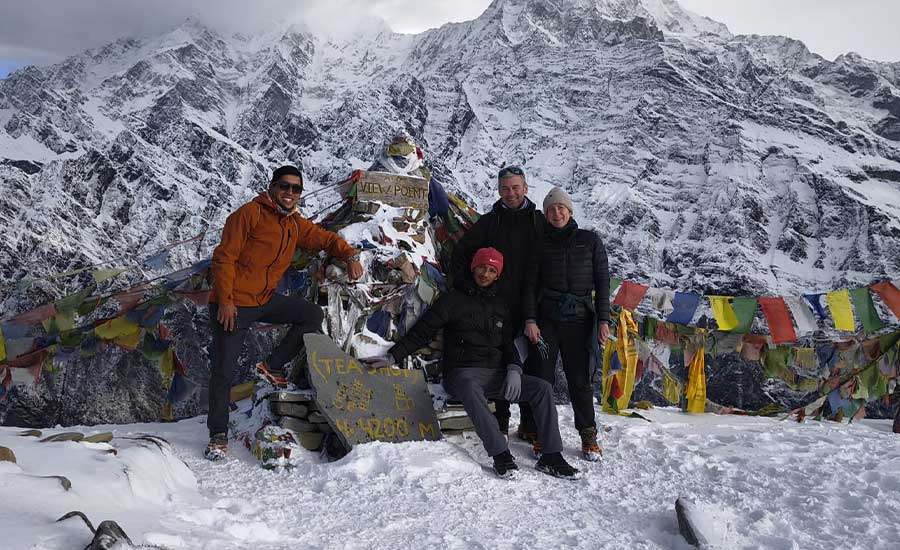
Best Time for Mardi Himal Trek – Complete Expert Guide
The Mardi Himal Trek is one of Nepal’s most beautiful short treks in the Annapurna region, offering breathtaking close-up views of Machhapuchhre (Fishtail), Annapurna South, and Hiunchuli. Unlike longer trekking routes, this trek is ideal for travelers looking for a less crowded, scenic, and rewarding Himalayan experience in a shorter time.
However, choosing the best time for Mardi Himal Trek is essential. The weather in the Himalayas changes dramatically with seasons, affecting visibility, safety, trail conditions, and overall trekking experience.
In this complete guide by Himalayan Dream Team, you will learn which months are best, what to expect in each season, and how to plan your trek perfectly.
Why Timing Matters for Mardi Himal Trek
The Annapurna region experiences four distinct trekking seasons, each offering a completely different experience.
Your trekking experience depends on:
- Mountain visibility (clear vs cloudy skies)
- Trail conditions (dry vs slippery)
- Temperature and comfort
- Crowd levels and accommodation availability
Choosing the wrong season can mean missing the mountains completely, while choosing the right one rewards you with crystal-clear Himalayan views and a smooth trekking journey.
Mardi Himal Trek Climate Overview
The trek starts near Pokhara (around 800 meters) and gradually climbs to Mardi High Camp (around 4,500 meters). Because of this altitude variation, the weather changes significantly as you ascend.
Seasonal Overview of Mardi Himal Trek
| Season | Temperature | Conditions |
|---|---|---|
| Spring (Mar–May) | 10–25°C | Warm, blooming forests |
| Monsoon (Jun–Aug) | 17–22°C | Heavy rain, cloudy |
| Autumn (Sep–Nov) | 12–20°C | Clear skies, best season |
| Winter (Dec–Feb) | 8–16°C | Cold, snow at altitude |
Best Time for Mardi Himal Trek (Quick Summary)
- Best Overall Season: Autumn (October–November)
- Best for Flowers: Spring (April)
- Best for Fewer Crowds: November & Winter
- Best Budget Season: Monsoon & Winter
Season-by-Season Guide
Spring (March to May) – Best for Nature and Comfortable Trekking
Spring is one of the most popular times to trek Mardi Himal.
What Makes Spring Special
- Rhododendron forests bloom across the hills
- Comfortable temperatures for trekking
- Clear mornings with good mountain views
Advantages
- Ideal for beginner trekkers
- Warm and pleasant weather
- Beautiful landscapes and photography
Limitations
- Clouds increase in late May
- Moderate crowd levels
👉 Spring is perfect for those who want a colorful and comfortable trekking experience.
Monsoon (June to August) – Quiet but Challenging
Monsoon is the least recommended season, but it has its own unique charm.
Conditions
- Heavy rainfall
- Slippery trails and landslides
- Limited visibility
Advantages
- Very few trekkers
- Green landscapes and fresh air
- Lower costs
Challenges
- Poor mountain views
- Safety concerns on trails
👉 Suitable only for experienced trekkers seeking solitude.
Autumn (September to November) – Best Season Overall
Autumn is widely considered the best time for Mardi Himal Trek.
Why Autumn is Perfect
- Clear skies and excellent visibility
- Stable and predictable weather
- Dry and safe trails
Best Months
- October: Best visibility and peak season
- November: Clear skies with fewer crowds
Advantages
- Stunning Himalayan panoramas
- Ideal trekking conditions
- Fully open teahouses
👉 If you want the best overall experience, choose autumn.
Winter (December to February) – Cold but Peaceful
Winter offers a completely different trekking experience.
Conditions
- Cold temperatures, especially at night
- Snow at higher elevations
- Fewer trekkers
Advantages
- Quiet trails
- Crystal-clear views
- Unique winter landscape
Challenges
- Harsh cold conditions
- Possible route blockage due to snow
👉 Best for experienced trekkers and adventure seekers.
Best Time Based on Trekker Preference
For Clear Mountain Views
- October (best)
- November (second best)
For Photography
- October → sharp, clear landscapes
- April → colorful rhododendrons
For Fewer Crowds
- November
- Winter months
For Beginners
- April and October
Comparison with Other Popular Treks in Nepal
The Mardi Himal Trek is often compared with other famous trekking routes in Nepal.
If you are considering alternative options:
- The Everest Base Camp Trek offers a legendary high-altitude journey with iconic views of Mount Everest and Sherpa culture.
- The Annapurna Base Camp Trek provides a balanced trekking experience with diverse landscapes and cultural villages.
- The Annapurna Circuit Trek is a longer and more challenging trek that crosses Thorong La Pass and showcases extreme landscape diversity.
👉 Compared to these, Mardi Himal is:
- Shorter
- Less crowded
- Easier to complete
- Perfect for limited-time travelers
Permits Required for Mardi Himal Trek
You need two permits:
- ACAP (Annapurna Conservation Area Permit)
- TIMS Card (Trekkers Information Management System)
Cost
- ACAP: NPR 3,000
- TIMS: NPR 3,000
Himalayan Dream Team can arrange all permits for a smooth experience.
Altitude & Safety Tips
The trek reaches 4,500 meters, so altitude awareness is important.
Common Symptoms of Altitude Sickness
- Headache
- Nausea
- Fatigue
Prevention Tips
- Walk slowly
- Stay hydrated
- Take acclimatization days
Packing Guide by Season
Spring & Autumn
- Light down jacket
- Trekking pants
- Base layers
- Waterproof jacket
Monsoon
- Rain gear
- Waterproof backpack
- Extra socks
Winter
- Heavy down jacket
- Thermal layers
- Warm sleeping bag
Packing Advice for Each Season – Himalayan Dream Team

Spring & Autumn Packing Essentials
| Category | Items | Details |
|---|---|---|
| Base Layers | Merino / Synthetic Shirts | 2–3 quick-dry shirts (avoid cotton) |
| Insulation | Fleece Layer | Lightweight and packable |
| Outer Layer | Waterproof Jacket | Rated for moderate rain and wind |
| Legwear | Hiking Trousers | 2 pairs, quick-dry material |
| Footwear | Hiking Boots & Socks | Good ankle support and trekking socks |
| Sleep System | 2-Season Sleeping Bag | Sufficient for teahouse stays |
| Accessories | Hat, Gloves, Socks | Prefer merino wool for warmth |
Note: Spring and autumn allow a lighter packing approach. A 12–15 kg backpack is usually sufficient for most trekkers.
- Avoid cotton – it retains moisture and causes heat loss
- Use synthetic or merino wool fabrics
- Bring sunscreen (SPF 50+)
- Use proper trekking socks to prevent blisters
Monsoon Season Packing Additions
| Standard Item | Monsoon Addition |
|---|---|
| Rain Jacket | Rain Pants (full waterproof coverage) |
| Regular Socks | Extra Socks (4–5 pairs) |
| Backpack | Dry Bag or Rain Cover |
| Footwear | Gaiters (mud and water protection) |
- Carry blister treatment – wet conditions increase risk
- Use microfiber towel for moisture inside teahouses
- Keep electronics in waterproof bags
- Pack moisture-absorbing sachets
Winter Trekking Equipment (Essential Gear)
| Component | Requirement | Priority |
|---|---|---|
| Sleeping Bag | -10°C rating | Mandatory |
| Base Layer | Merino / Synthetic | Essential |
| Mid Layer | Heavy Fleece / Down Jacket | Essential |
| Outer Layer | Insulated Jacket | Mandatory |
| Trousers | Insulated Trekking Pants | Mandatory |
| Boots | Winter Trekking Boots | Mandatory |
| Traction | Microspikes / Crampons | Conditional |
Winter Survival Accessories
| Item | Purpose | Details |
|---|---|---|
| Beanie | Head Insulation | Prevents major heat loss |
| Thermos | Hot Drinks | Maintains body temperature |
| Hand Warmers | Circulation Support | Useful throughout the day |
| Face Buff / Balaclava | Wind Protection | Protects nose and cheeks |
| Extra Socks | Moisture Control | Wet socks increase heat loss |
Important: Winter trekking requires proper gear. A -10°C sleeping bag and insulated layers are essential for safety and comfort.
Planning & Booking Tips
| Season | Booking Time |
|---|---|
| October | 6–8 weeks in advance |
| April | 4–6 weeks |
| November | 3–4 weeks |
| Off-season | 2–3 weeks |
Expert Tips from Himalayan Dream Team
- Start early to avoid clouds
- Always carry enough water
- Use proper trekking gear
- Add buffer days for weather
- Trek with a guide for safety and cultural experience
Explore Related Treks in Nepal
The Mardi Himal Trek is often compared with other iconic treks in the Annapurna and Everest regions. Depending on your time, fitness level, and interest, you may also consider the following:
Everest Base Camp Trek (EBC)

The Everest Base Camp Trek is one of the most famous trekking adventures in the world. While Mardi Himal is shorter and less crowded, the Everest trek offers a deeper high-altitude experience with views of Mount Everest and Sherpa culture.
Best for:
- Iconic Himalayan experience
- High-altitude adventure
- Cultural immersion in Khumbu region
👉 Recommended anchor text:
- Everest Base Camp Trek itinerary
- Everest Base Camp trek cost
- Best time for Everest Base Camp trek
Annapurna Base Camp Trek (ABC)
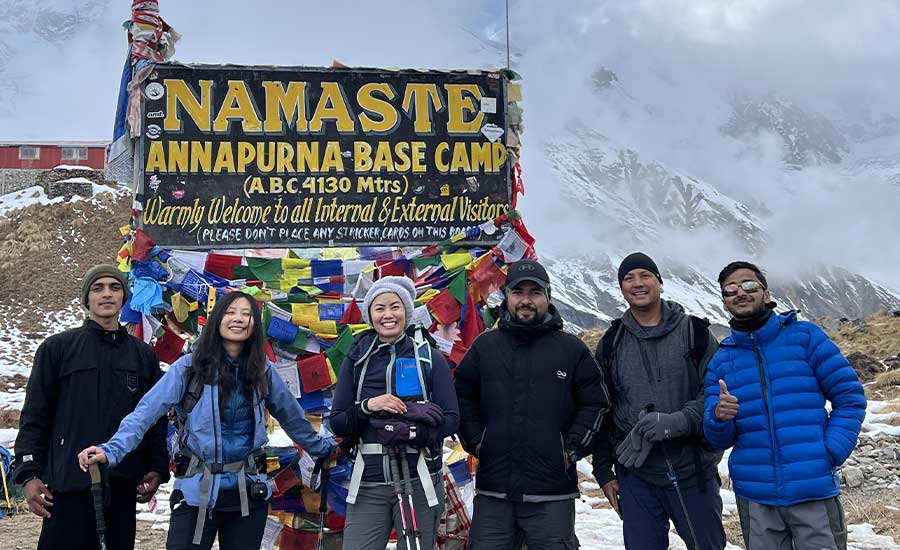
The Annapurna Base Camp Trek is the closest alternative to Mardi Himal, located in the same region. It offers a combination of diverse landscapes, traditional villages, and a dramatic amphitheater of Himalayan peaks.
Best for:
- Balanced trekking experience
- Cultural villages + mountain views
- Moderate difficulty
👉 Recommended anchor text:
- Annapurna Base Camp Trek guide
- ABC trek itinerary
- Annapurna Base Camp trek difficulty
Annapurna Circuit Trek

The Annapurna Circuit Trek is a longer and more diverse trek compared to Mardi Himal. It includes crossing the famous Thorong La Pass (5,416m) and exploring a wide range of landscapes from subtropical forests to high-altitude deserts.
Best for:
- Experienced trekkers
- Long-duration trekking
- Diverse landscapes and cultures
Final Thoughts
The best time for Mardi Himal Trek depends on your travel goals, but for most trekkers:
- October and November offer the best conditions overall
- Spring provides beautiful nature and comfortable weather
- Winter and monsoon offer solitude and adventure
No matter when you go, the Mardi Himal trek rewards you with unforgettable Himalayan views and authentic trekking experiences.
Why Choose Himalayan Dream Team
With Himalayan Dream Team, you get:
- Experienced local guides
- Personalized itineraries
- Permit and logistics handling
- Safety-focused trekking
- Authentic Nepal experience
We ensure your journey is smooth, safe, and memorable.
Recent Posts
17th Jun, 2026
16th Jun, 2026
11th Jun, 2026
9th Jun, 2026


29th May, 2026
20th Apr, 2026
12th Apr, 2026
9th Apr, 2026

31st Mar, 2026
27th Mar, 2026
